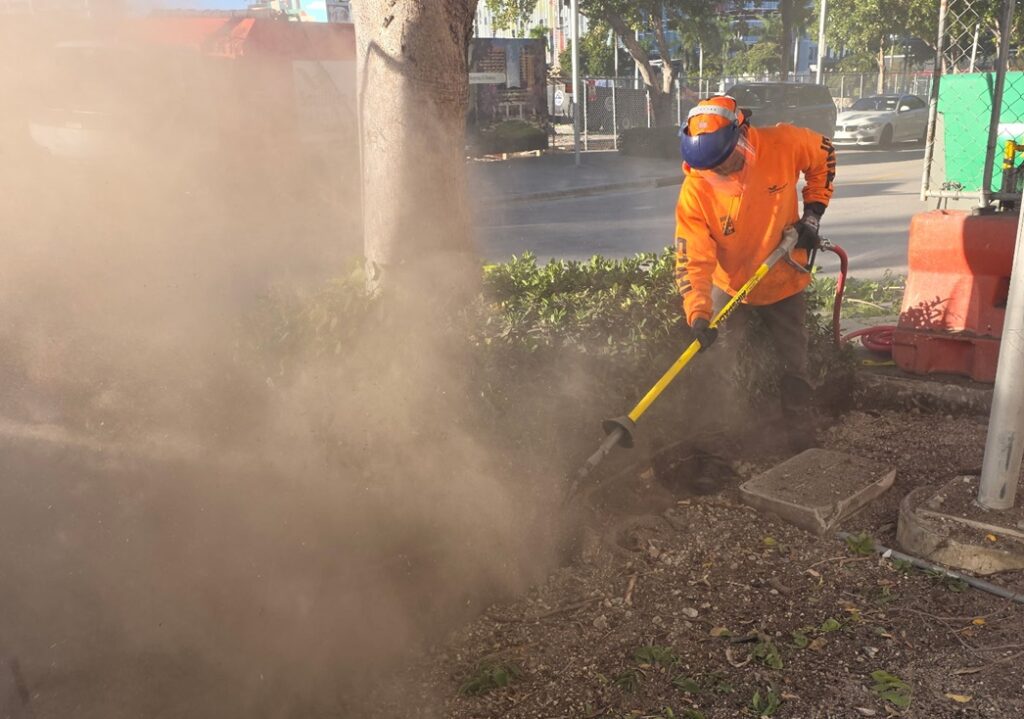
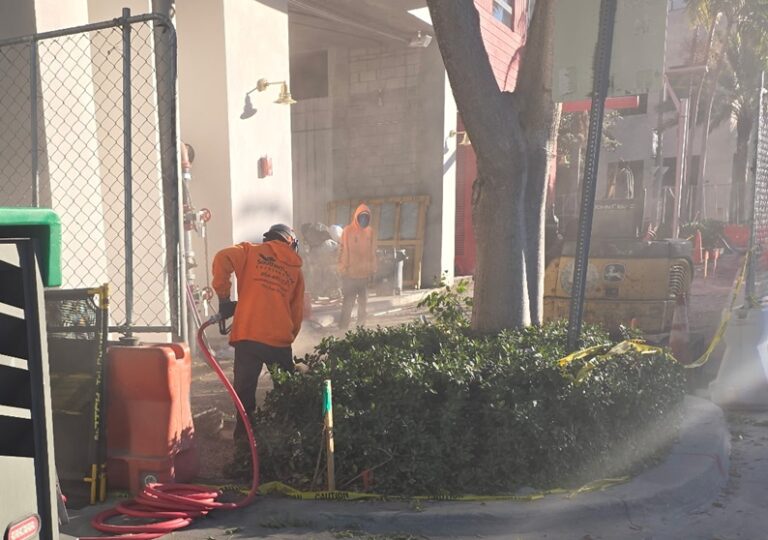
Air spading for tree roots is an industry-standard, non-destructive excavation method that utilizes high-velocity compressed air to loosen soil around a tree’s root system without causing damage. Arborists favor this technique for accurately diagnosing and treating underground health issues while maintaining the integrity of the tree’s critical root zone. Air spading has revolutionized modern arboriculture by allowing professionals to “see” underground without the trauma of traditional digging. While shovels and backhoes inevitably nick, crush, or sever roots, air spading treats the root system with surgical precision.
The tool itself, often called an AirSpade, is a wand connected to a high-powered air compressor. It accelerates air to supersonic speeds. When this air hits the ground, it enters the microscopic pores of the soil. Because soil is porous and non-homogeneous, the rapid expansion of air causes the dirt to pulverize and blow away. However, because tree roots are non-porous and flexible, the air simply flows around them, leaving the bark and vascular tissue completely intact.
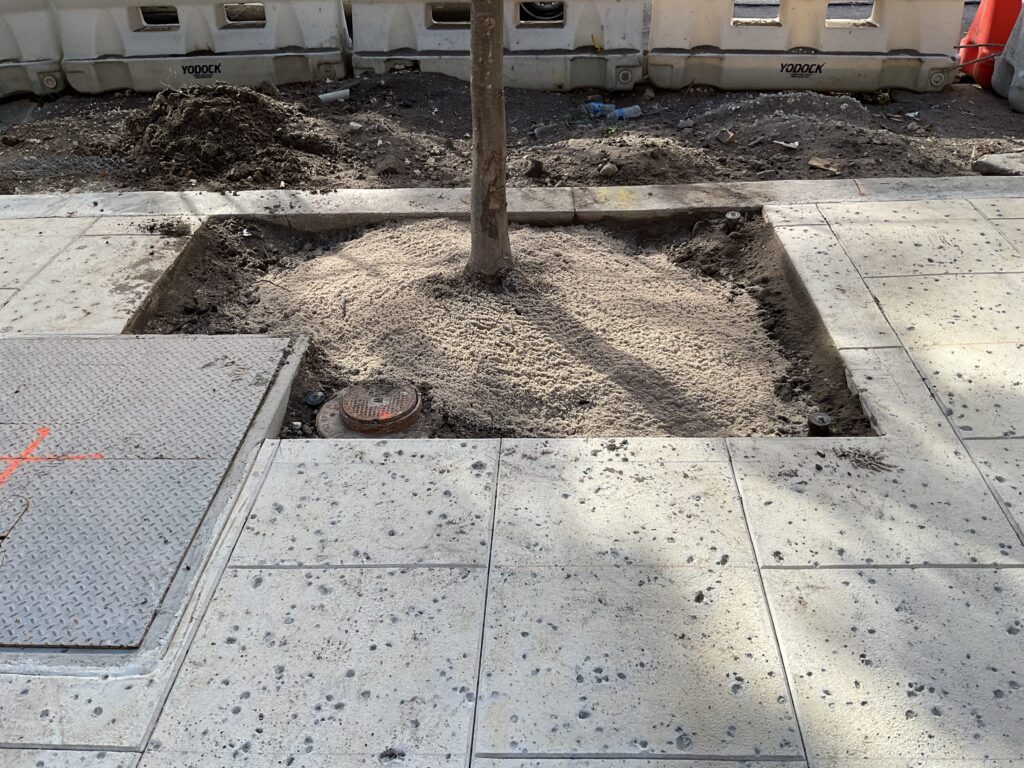
The Critical Root Zone (CRZ) is the area under the tree canopy where the most vital “feeder roots” reside. These roots are often within the top 6 to 12 inches of soil. Even minor damage to this network can lead to canopy dieback or make the tree susceptible to secondary pests and diseases. By using air, an arborist can perform “underground surgery” that actually leaves the tree healthier than they found it.

© Copyright 2025 | Southern Arbor Services Inc.